Divorce and Separation
Center for Advice

Email: info@dasca.org.uk

Divorce and Separation
Centre for Advice
The children are yours not his or hers, and should never be used as a weapon against the other partner
Probably the most difficult issue during a divorce will be the children; they will encounter changes to their everyday life and will often feel like they have lost the love of one and sometimes both parents.
Children will eventually recover and move forward when their parents separate, however they too will face feelings of loss, anger, anxiety, linens, and even depression.
Even when both parents agree on separating and this has been arranged amicable, inevitably it will still have an impact on any children in question. The age of the children whilst significant will not eliminate the suffering they encounter
They will see things differently to you and their feelings to the situation will be different to yours; often they will hide their own feelings as they feel it will conflict with yours.
In many cases children will feel guilty for the separation and quite often blame themselves fearing that they have somehow caused the break up, whatever they are feeling it is important that both parents work in conjunction to address these issues.
Often parents going through a divorce are caught up in their own conflict with each and due the severity of the feelings and emotions children get caught in the crossfire. This is the worst thing that you can allow to happen. Even if the other parent is being difficult you must refrain from doing the same, as this will only make matters worse.

Putting your children first and is the first thing to address when you separate.
Unfortunately there is no easy way of telling children that their parents are separating. This is going to be an uncomfortable and difficult situation at the best of times. Equally there will not be a good time, however trying to avoid times where they have existing issues such exams or problems at school.
In most cases it will be one of parents who have decided they want to end the relationship. Whatever the circumstances relating to this decision they should not become embroiled or involved with those reasons.
If at all possible both parents should be present at this time, as it will not only lessen the impact on your children, but will significantly reduce further difficulties and complications connected to the divorce proceedings. The best outcomes are always achieved when both parents continue to play an active part in the lives of their children as this will help to feel more re-assured. When both parents discuss give the explanation as to why they are breaking up, children are less likely to challenge the reasons they have been given, it will also help to reduce the stress and anxiety they are likely to feel.
It would be useful to have contact arrangements already planned as this will demonstrate a better sense of stability. Where and when possible maintaining a regular routine, staying at the same school and keeping the same friends will help reduce any additional already caused.
If at all possible both parents should be present at this time, as it will not only lessen the impact on your children, but will significantly reduce further difficulties and complications connected to the divorce proceedings. The best outcomes are always achieved when both parents continue to play an active part in the lives of their children as this will help to feel more re-assured. When both parents discuss give the explanation as to why they are breaking up, children are less likely to challenge the reasons they have been given, it will also help to reduce the stress and anxiety they are likely to feel.
It would be useful to have contact arrangements already planned as this will demonstrate a better sense of stability. Where and when possible maintaining a regular routine, staying at the same school and keeping the same friends will help reduce any additional already caused.
Adults and children will have hugely different opinions as to how and why the relationship has ended, children may remember particular situations whilst forgetting others, and they should not be challenged or made to compromise their feelings towards the other parent.
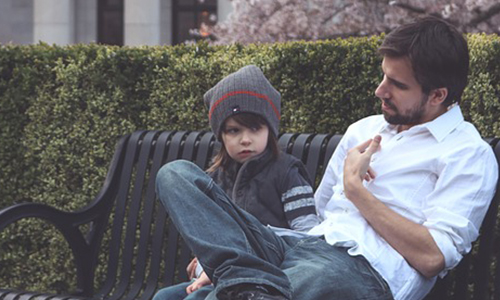
Initially children will always want their parents to get back together and this is very common with most families break up. However given time eventually most children accept that their parents made the right decision to separate.
Most children will encounter feelings such as, shock, anger, anxiety, stress and even a sense of loss similar to bereavement. In the vast majority of cases children learn to move on with their lives in the same way as adults. How you support them along this journey will be of paramount importance. Clearly you will be caught up in problems of your own but the more supprtibve and empathetic you are with your children the easier it will become for them to find stability in their own lives once more.
The best way forward is to maintain stability, try to continue with the same rules and levels of discipline as before. Enforcing stronger discipline or becoming more relaxed is likely to increase the sense of insecurity. This will be a very difficult time for you and them, but as the adult and the role model it will be for you to set the appropriate standard.